
One cannot truly understand Namibia without delving into its compelling history. The land has witnessed the footprints of indigenous communities, colonial powers, and the struggle for independence. The colonial era, marked by German and later South African rule, has left indelible imprints on the nation, from architecture to language to food.
Welcome to the land of the brave, where boundless open spaces await, beckoning you to embrace the liberating freedom of exploration, to feel the pulse of adventure coursing through rugged landscapes. Where solitude becomes a soulful companion, inviting you to immerse yourself in moments of quiet reflection amidst breathtaking natural beauty.
But it’s not just the landscape that captivates; it’s the people—the salt of Namibia—who infuse this land with vibrant cultural diversity and warmth.
Craving for adventure? Yearning to immerse yourself in the raw beauty of nature? Seeking liberation in wide-open spaces? Namibia awaits…
PEOPLE OF NAMIBIA
In Namibia, cultural diversity is not just a facet of life; it is a celebration of humanity’s collective heritage, a living testament to the resilience of the human spirit in the face of adversity.
As custodians of this cultural heritage, we embody the essence of Ubuntu, a philosophy that celebrates the interconnectedness and shared humanity that binds us all.
Through music, dance, art, and storytelling, we invite you to participate in our traditions, savor the flavors of our cuisine, and experience the warmth of our hospitality.
San
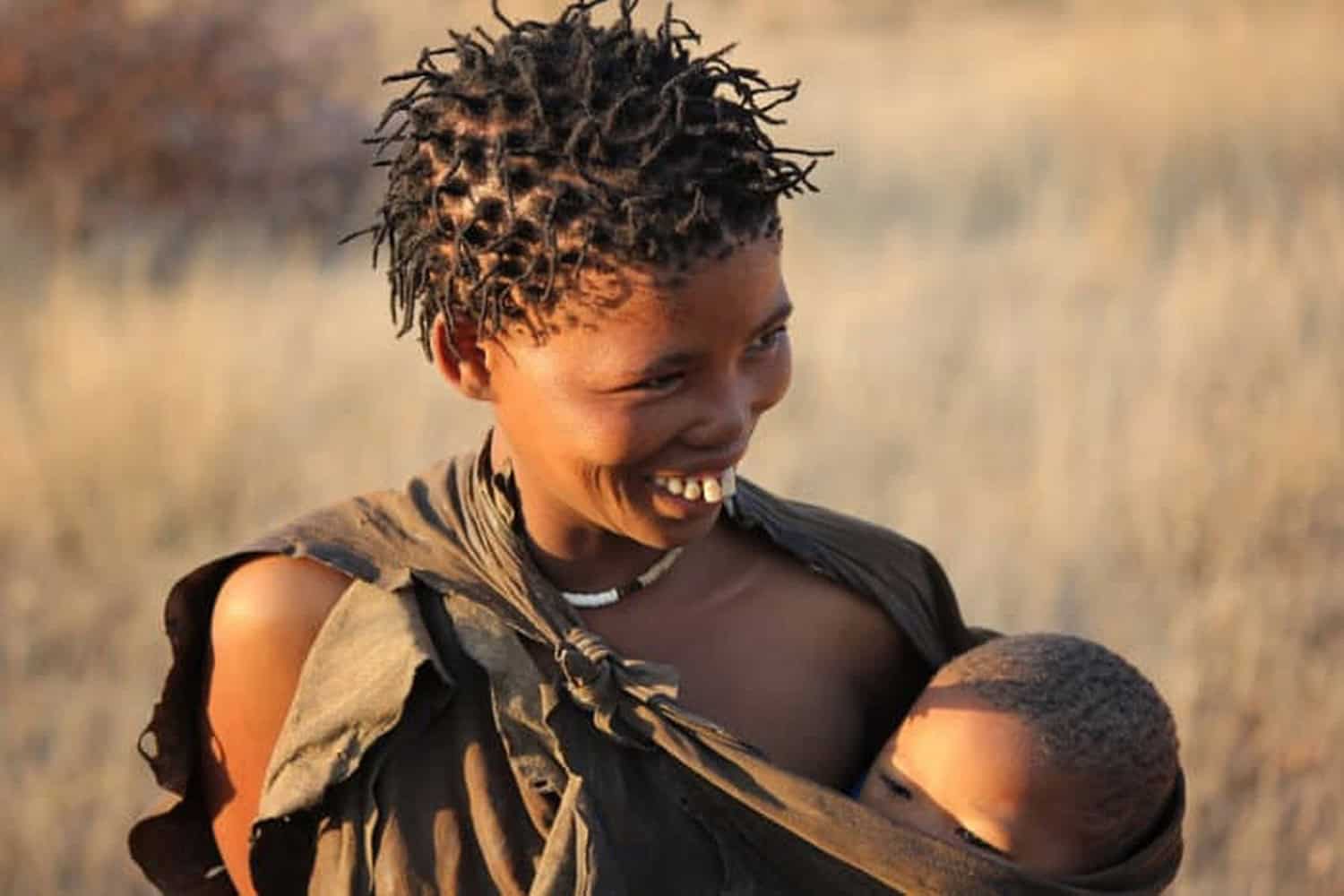
Known colloquially as “Bushmen” or “Boesman,” a mosaic of extraordinary groups including the Bushmen, Khwe, Hai||om, Ju|’hoansi, !Xun, Naro, and !Xoo, each bearing its own language, traditions, and illustrious history. These original denizens of southern Africa have etched an unforgettable legacy across Namibia, with breathtaking rock paintings and engravings gracing sites like the majestic Brandberg.
Despite the relentless push eastward into the Kalahari by pastoralists, today a vibrant San community thrives within the villages nestled in the heart of the Tsumkwe Conservancy. Celebrated for their unmatched prowess in hunting and gathering, as well as their extraordinary click languages, the San epitomize a profound harmony with nature that has sustained them for millennia.

Nama
In Namibia, the Nama people, descendants of the Khoekhoe, bring a distinct layer of cultural vibrancy with a language marked by unique clicks, reminiscent of their Khoisan roots. Found in the arid landscapes of southern Namibia, including the Topnaars along the Kuiseb River valley and the Walvis Bay area, they enrich the region with their presence.
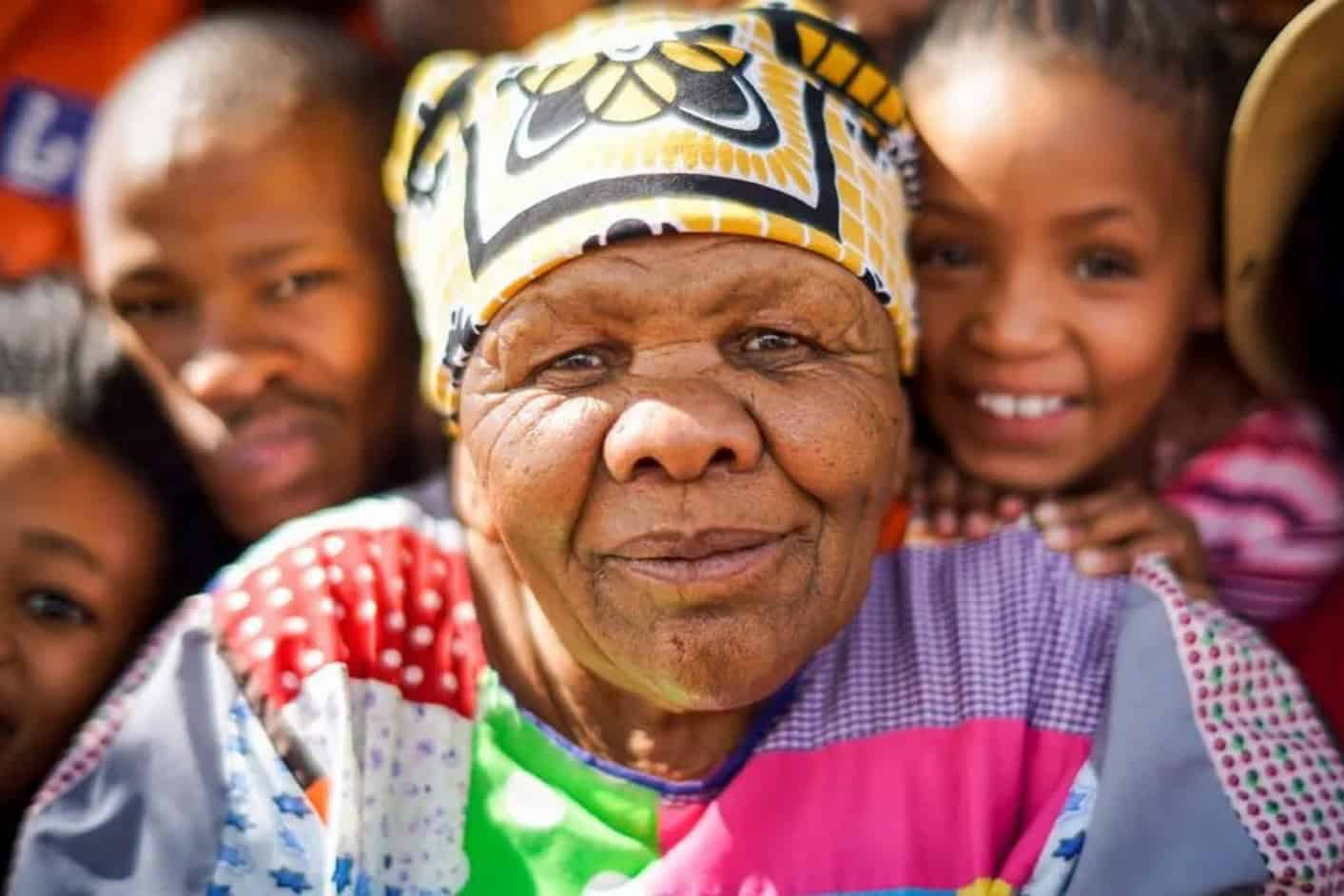
The Nama embody a spirit of resilience, molded by the rugged terrains they call home. Renowned for their distinctive musical styles, such as the rhythmic beats of the ‘Nama stap,’ they continue to celebrate their cultural heritage through music and dance. Nama women, characterized by their petite stature, grace themselves with traditional cloth headdresses, known as “doeks,” and wear exquisite patchwork dresses that showcase their exceptional needlework skills.
OvaHimba
The OvaHimba, a renowned semi-nomadic tribe in Namibia, are famous for their distinctive culture and appearance. Residing in the semi-desert region of Kaokoland, they are primarily livestock herders with deep ancestral roots.
Himba women are known for their deep red skin, achieved through a mixture of animal fat and ochre, and both men and women wear elaborate hairstyles and headdresses made from leather and iron. This ethnic group, originating from the Herero, boasts rich cultural traditions, including intricate hair styling used to convey various aspects of identity. In the vast Kunene Region, the indigenous OvaHimba people continue to uphold these age-old customs, preserving a cultural identity that reflects tradition and adaptation.
OvaHerero
The Herero people of central Namibia are known for their colorful Victorian-era attire and traditional cattle farming practices. Despite facing historical challenges, including conflicts with colonial forces in the early 20th century, the Herero community remains resilient, preserving its unique customs and cultural identity.
Today, they gather annually on Maharero Day to celebrate their heritage in the Waterberg area and Okahandja. Women wear distinctive dresses and fabric headdresses symbolizing their connection to cattle herding, a central aspect of Herero culture. Originating from Northern Africa, the Ovaherero migrated to present-day Namibia in the 1500s, where they continue to uphold their proud and culturally rich traditions.
Damara
Traditionally, the Damara shared similarities with the San as hunter-gatherers, alongside goat rearing and small-scale horticulture involving pumpkins and tobacco cultivation.
Their historical heartland, known as Damaraland, centered around the Brandberg, now part of the Erongo Region post-Independence.
Today, many Damara still reside in this region, actively engaging in semi-precious stone mining, with products available at roadside stalls en route to the Spitzkoppe.
Despite speaking the click-filled language of the Nama, the Damara’s connection appears distinct. Amidst the rugged landscapes of central Namibia, the Damara people proudly uphold their unique cultural heritage. Renowned for their intricate jewelry, their craftsmanship intertwines with spiritual significance, preserving a cherished cultural legacy.
(© Living Culture Foundation, Namibia)
Aawambo
Situated historically in northern Namibia, the Owambo people constitute the largest population group in the country. As the predominant ethnic group, they primarily speak the Oshiwambo language, which comprises seven distinct dialects.
Their presence is prominent across the four “O” regions—Oshikoto, Ohangwena, Omusati, and Oshana—forming the collective territory known as Ovamboland.
Comprising numerous subgroups, each with its own language and traditional authority, the Owambo were originally known for cattle farming, mahangu cultivation, and fishing. They are recognizable by their vibrant pink-striped attire and adorned with large ornamental buttons called ecipas, often made from carved ivory or wood. Celebrating their heritage through lively music and dance, the Owambo embody a vibrant tapestry of cultural richness and resilience.
(© Lorato )
Kavangos and Zambezians
Residing in the northeastern region of Namibia along the banks of the Kavango and Zambezi rivers are the diverse communities collectively referred to as the Kavangos and Zambezians (formerly known as Caprivians). Comprising various distinct groups, each with its own dialect and cultural practices, these communities share commonalities in their agricultural pursuits, including the cultivation of mahangu, fishing, and the husbandry of cattle and goats. Additionally, the people of this region are renowned for their expertise in woodcarving and basket weaving, showcasing their rich artistic traditions.
(© Nampa AM )
Basters
The Basters of Namibia, originating from European settlers particularly Dutch and Germans, Khoisan people, and African slaves, have a multifaceted history. From their roots in the Cape Colony, they migrated to present-day Namibia, specifically Rehoboth, south of Windhoek speaking Afrikaans and forming a distinct community.
Integral to Namibia’s history, they acted as mediators between European colonizers and indigenous African groups, showcasing their mixed heritage and adaptability. Today, the Basters maintain their unique identity by blending European, Khoisan, and African customs.
While contributing to Namibia’s cultural diversity, they grapple with challenges such as identity, land rights, and social integration. Nonetheless, they persevere with pride, determined to safeguard their heritage for generations to come.
(© Julia Runge)
Tswana
The Tswana people, the smallest cultural group in Namibia predominantly inhabit the eastern region. with ancestral links to the Tswana people in Botswana.
The Namibian Tswana consists of three subgroups, the largest of which is the Tlharo, the second is the Tlhaping and the third the Kgalagadi who have to some extent mixed with the Kalahari Bushmen.
The whites
The White population of Namibia comprises individuals of European descent who have settled in the country, often tracing their ancestry back to colonial times. Historically, Namibia was colonized by various European powers, including Germany and later South Africa, leading to significant European settlement in the region.
The White community in Namibia is diverse, with people from different European countries, including Germany, the United Kingdom, and Portugal, among others. They have played a prominent role in the country’s history, particularly during the colonial and apartheid periods.
GASTRONOMY
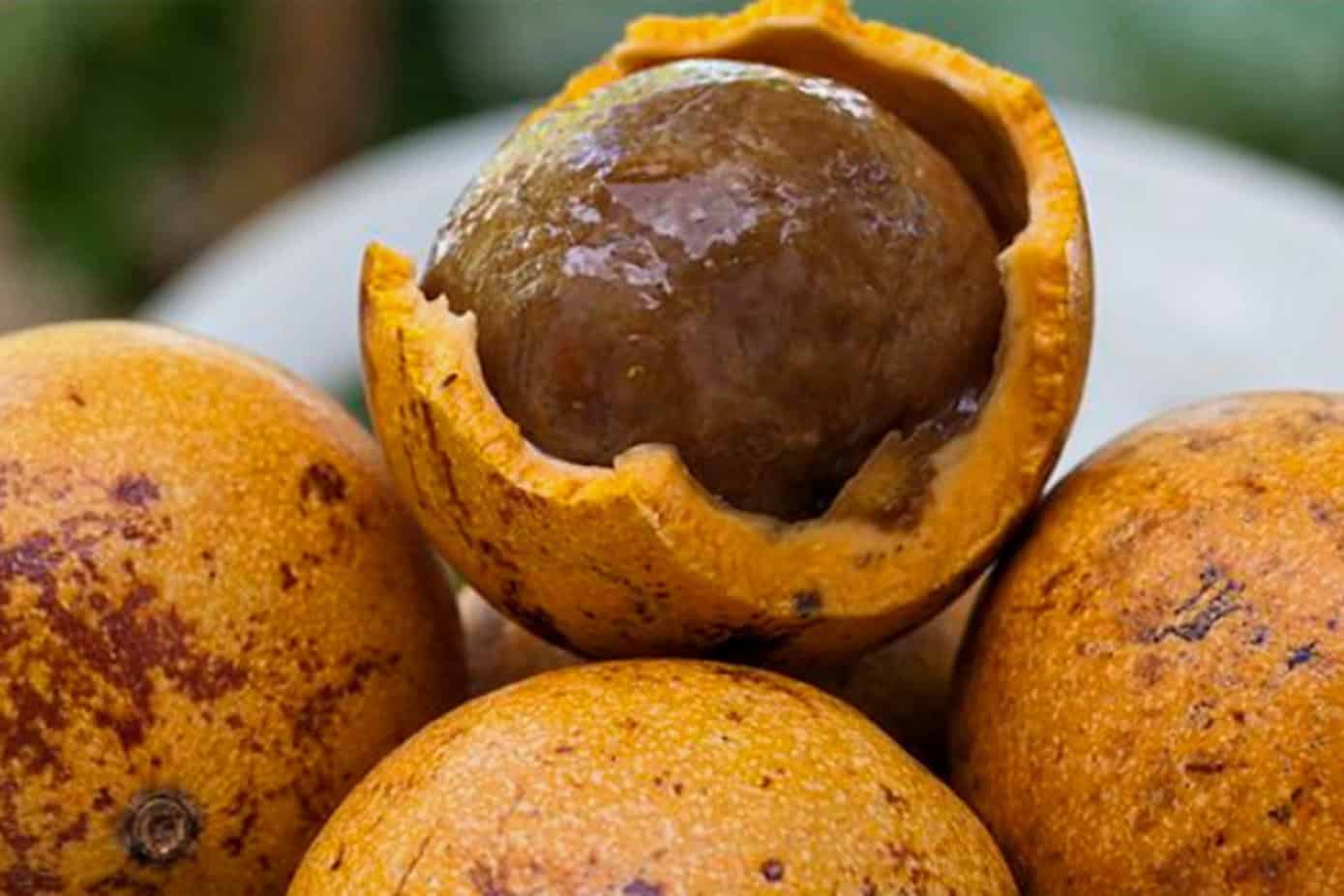
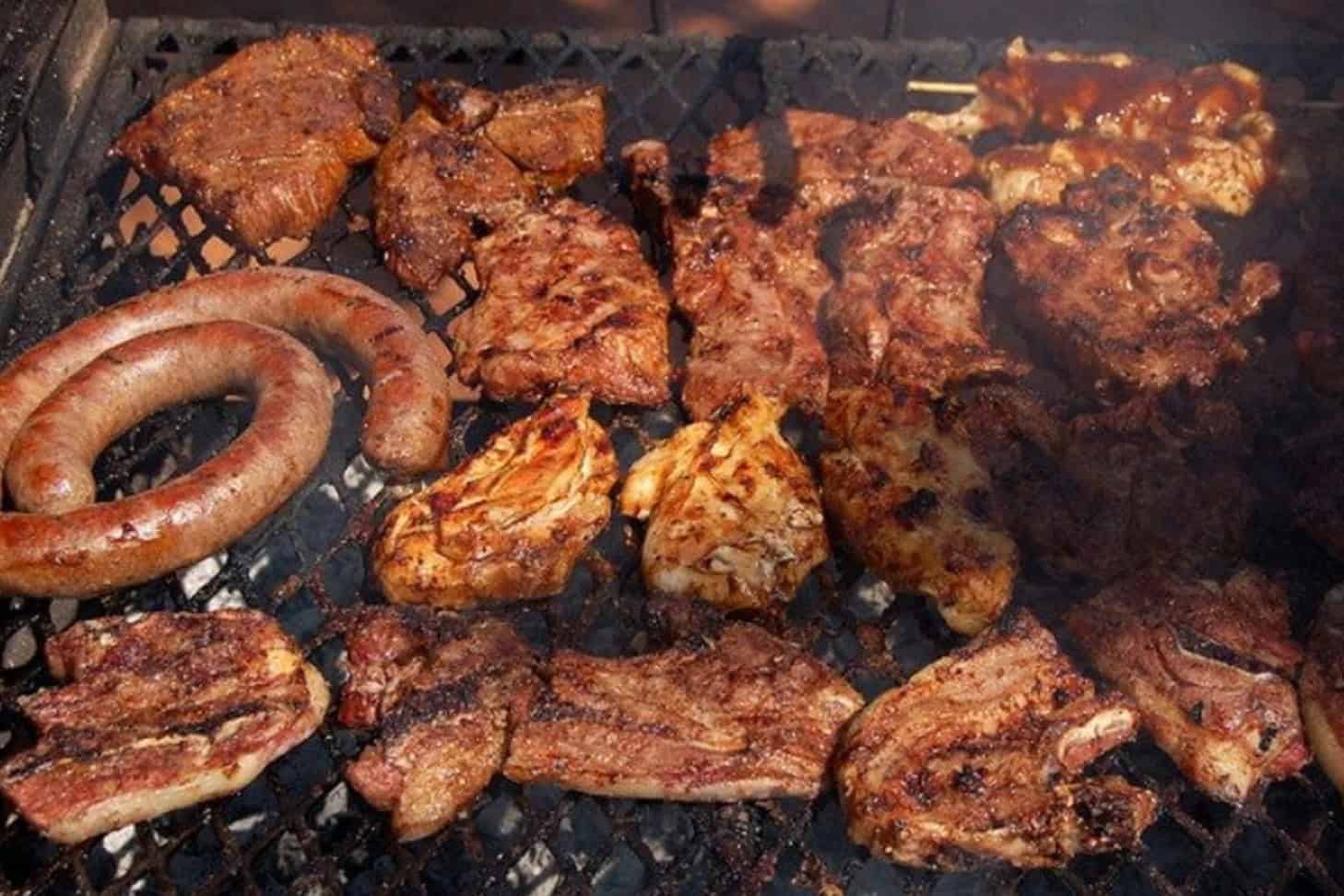
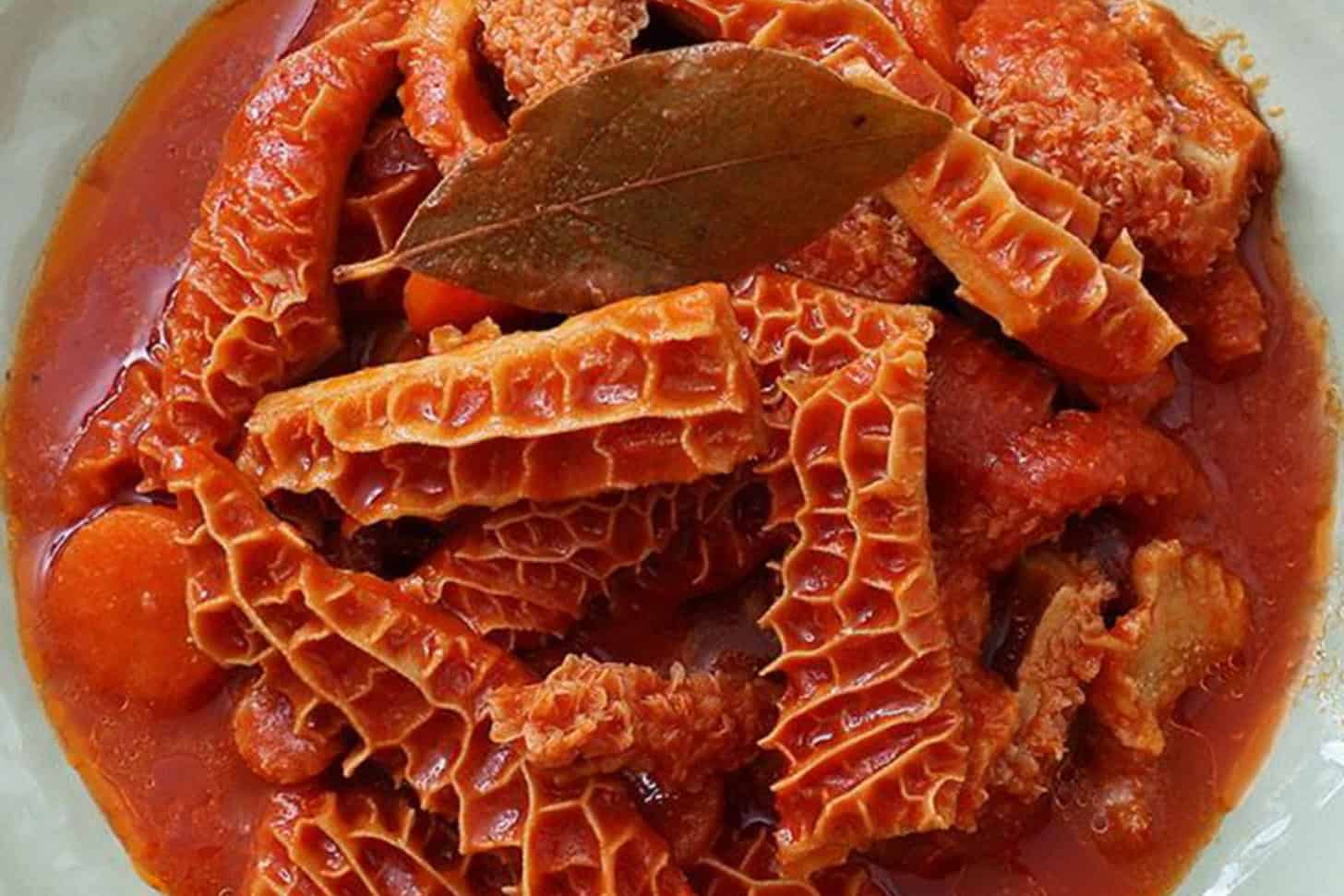
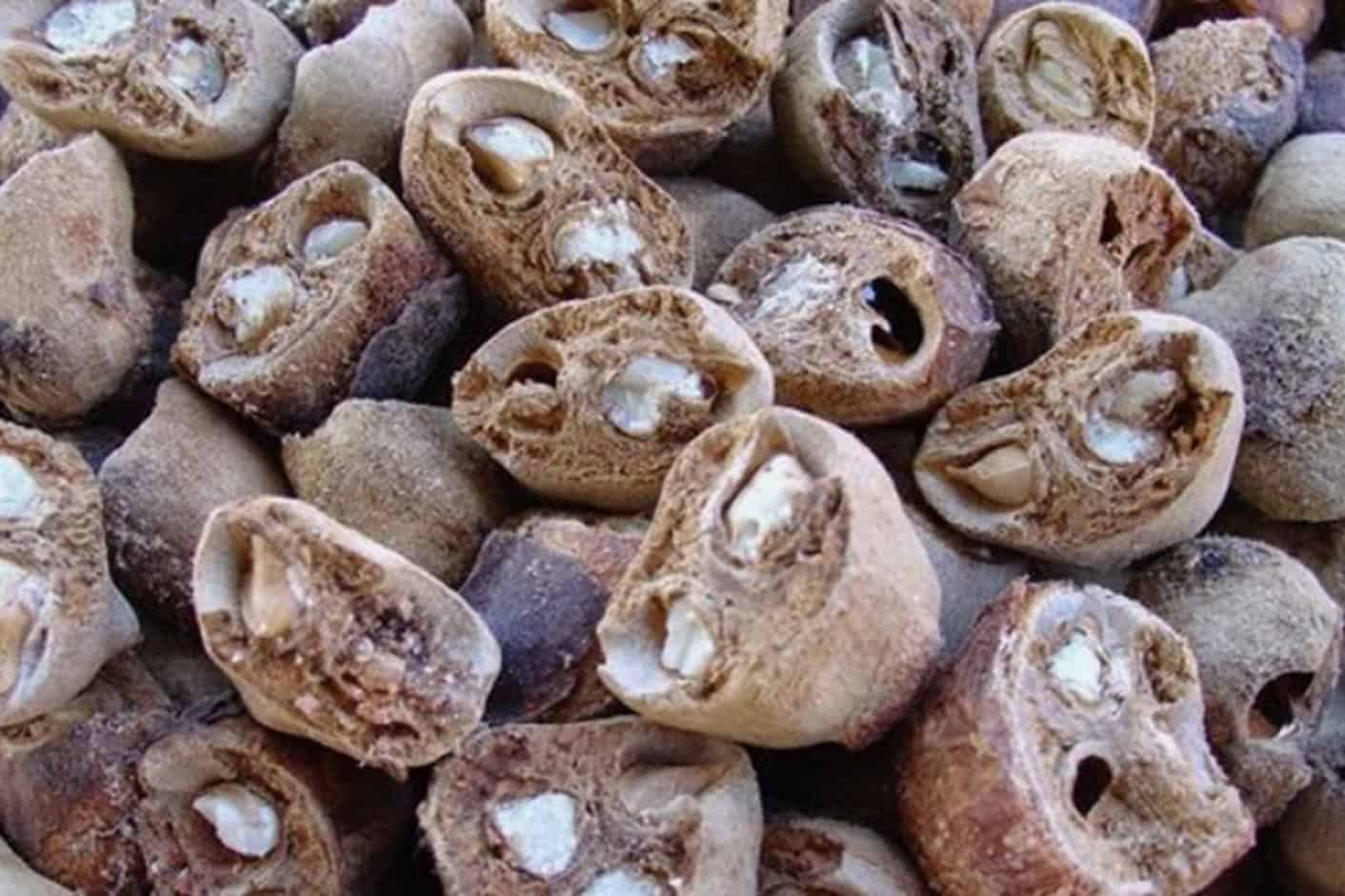
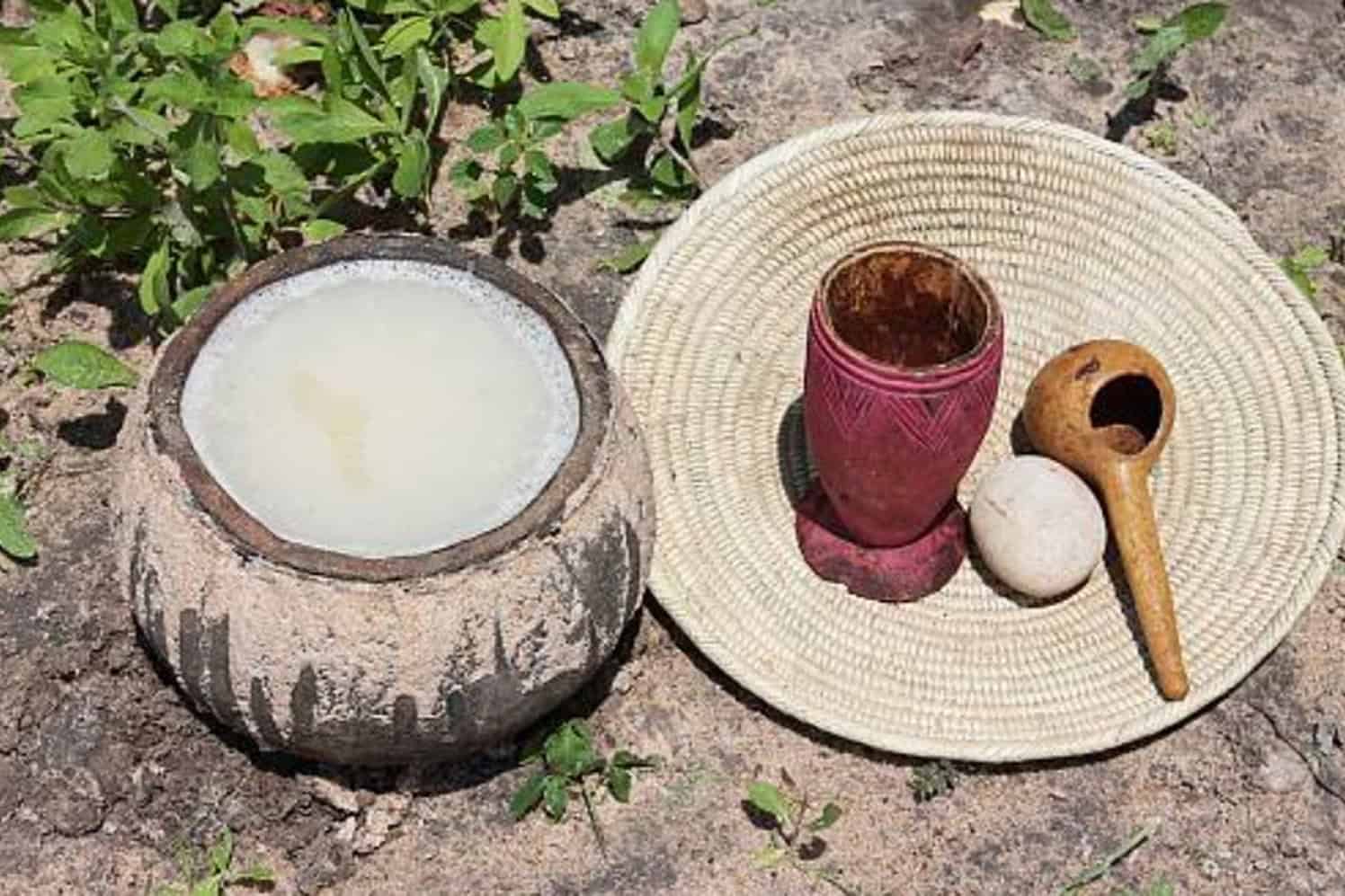
Exploring Namibian gastronomy isn’t just about the food—it’s also about the experience. Sharing a meal with locals offers a firsthand glimpse into Namibian culture, where hospitality and warmth are as essential as the flavors themselves. So dive into the culinary delights of Namibia and savor the fusion of tastes that make this country’s cuisine truly unique.
Savour the blended indigenous flavors with influences from its British, German and South African colonial heritage.
WHEN IS THE BEST TIME TO VISIT NAMIBIA
Choosing the best time to visit Namibia depends on several factors, including your interests, destinations, and travel purposes. Namibia has a generally dry and pleasant climate, suitable for travel year-round. However, weather patterns are becoming more unpredictable due to global warming.
Here’s a simplified guide to help you plan your trip:
– The Golden Glow of May to October
Namibia’s dry season runs from May to October, offering clear skies and mild temperatures. Typical winters (June-August) have average maximum temperatures of around 15–25°C (59-77°F) and the average minima are around 0–10°C (32-50°F).
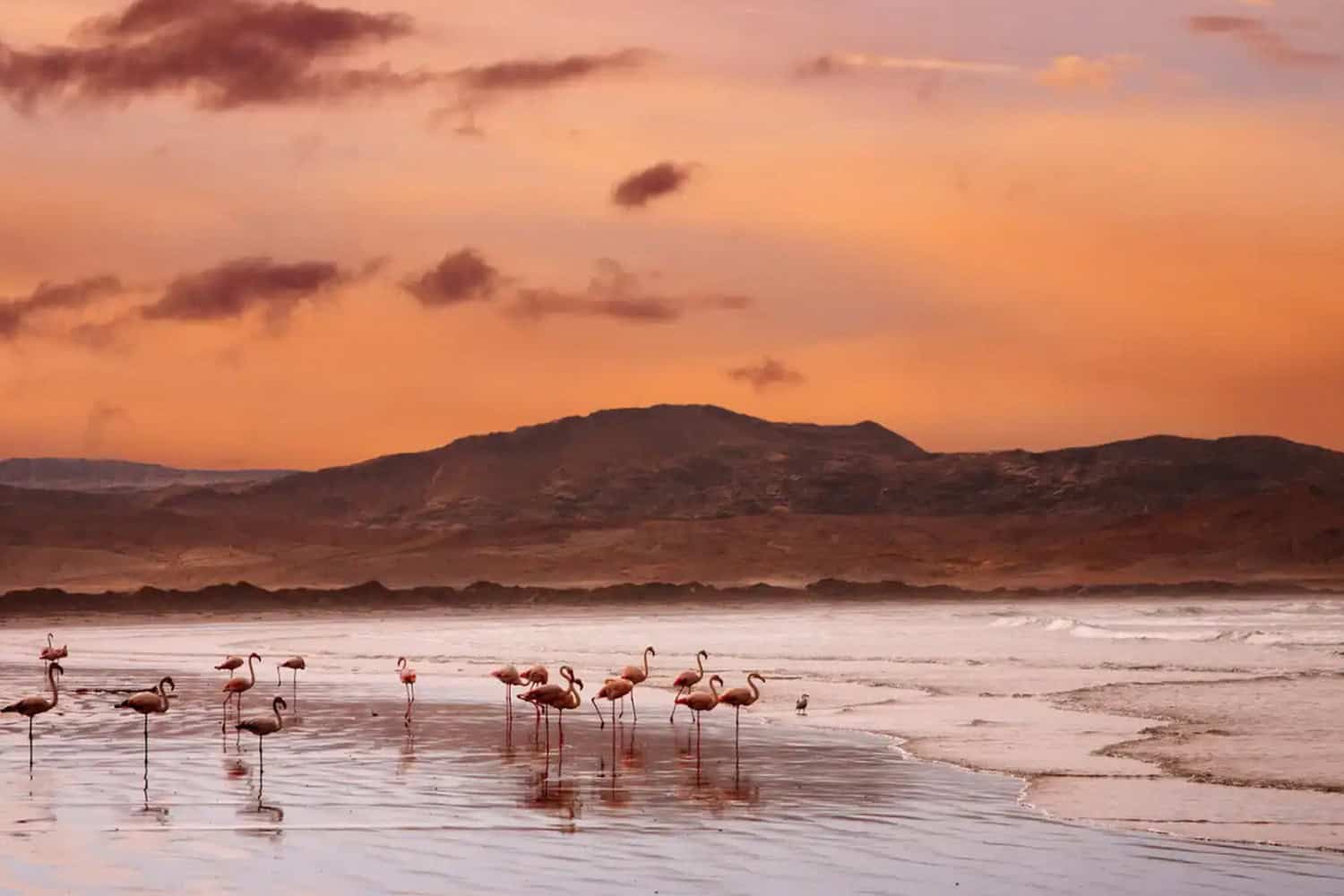
Witness the iconic red dunes of Sossusvlei illuminated by the golden hues of sunrise. The wildlife is also abundant during this time as they gather around waterholes, providing fantastic opportunities for safari enthusiasts.
– Dazzling December to March: Green and Lively
If vibrant flora and the allure of a different Namibia beckon, plan your trip between December and March. (Jan-March) are hot and fairly damp with average maximum temperatures around 25–35°C (77-95°F) and average minima around 10–20°C (50-68°F).
This is the rainy season, turning the arid plains into a green oasis. The wildlife is still abundant, and birdwatchers are in for a treat with migratory species filling the skies. Witness the dramatic landscapes come to life with bursts of color and enjoy cooler temperatures in regions like the Caprivi Strip.
– Starry Nights and Desert Dreams: Anytime!
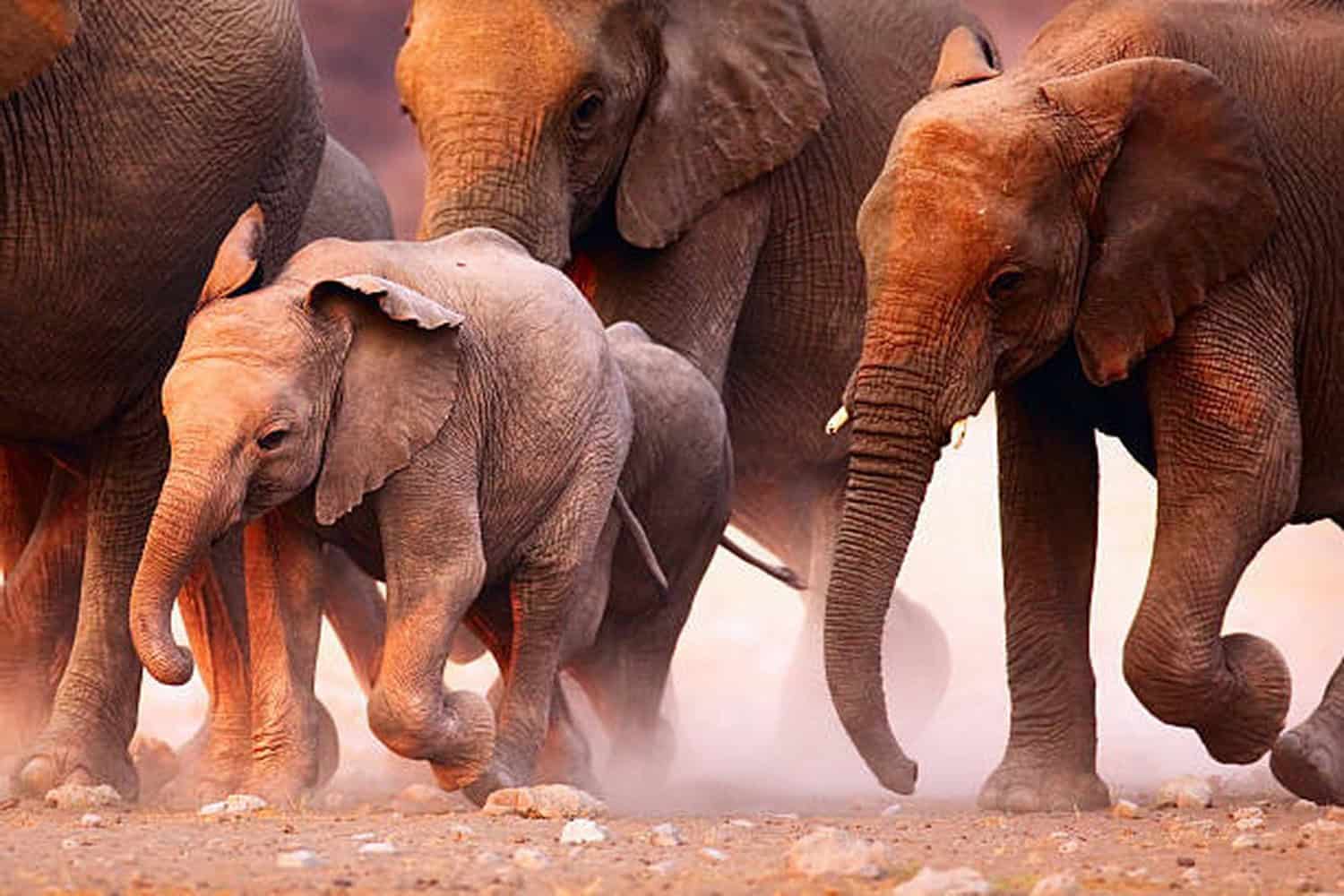
Namibia boasts some of the darkest skies on the planet, making it a haven for stargazers. Whether you’re camping in the wilderness or staying in a luxury lodge, the celestial show is year-round. Capture the Milky Way stretching across the horizon or attend one of the many stargazing events held throughout the year.
– Beat the Crowds: Shoulder Seasons
For those seeking a quieter experience and great weather, consider visiting during the shoulder seasons of April and November. You’ll have the chance to enjoy the best of both worlds – the tail end of the dry season’s wildlife wonders and the prelude to the rainy season’s blooming landscapes.
WHAT TO PACK
Absolutely, packing right is key to ensuring you have a smooth and enjoyable adventure in Namibia. Here’s a guide on what essentials to toss into your suitcase.
– Light and Breathable Clothing
Namibia can get scorching during the day, especially in the deserts. Pack lightweight, long-sleeved shirts and trousers to protect yourself from the sun. Don’t forget a wide-brimmed hat and sunglasses for that extra shield.
– Warm Layers for Chilly Nights
Even though daytime temperatures soar, the nights can get surprisingly cold, especially in the desert regions. Bring a jacket or sweater for those cooler evenings, especially if you plan to do any stargazing.
– Sturdy Footwear
Adventure-Ready Feet: Whether you’re climbing the dunes of Sossusvlei or exploring rocky terrains, sturdy, comfortable footwear is a must. Opt for closed shoes to protect your feet from the desert elements.
– Sunscreen and Bug Battle Gear
Namibia’s sun can be intense. Pack a high SPF sunscreen to protect your skin.
Additionally, Namibia is home to some persistent insects, especially in certain regions. Arm yourself with a reliable insect repellent to ward off any unwanted buzzing companions.
– Water Bottle
Stay Hydrated with the desert landscape, staying hydrated is crucial. Carry a reusable water bottle or hydration pack to ensure you have water on hand throughout your adventures.
– Camera and Binoculars
Capture the Moments: Namibia is a photographer’s dream. Don’t forget your good camera with a zoom lens and binoculars to enhance your game-viewing experience and capture the stunning landscapes and unique wildlife. Extra memory cards and batteries are a good idea too!
– Power Adapter
All appliances run on 220/240 volts. Outlets are of the round 3 pin / 15 amp type. Make sure to bring the right adapter to keep your devices charged, ensuring you can capture every breathtaking moment and stay connected when needed.
– First Aid Kit
A basic first aid kit with essentials like pain relievers, band-aids, and any necessary prescription medications is always a good idea, especially if you plan to venture off the beaten path.
– Travel Insurance
Safety Net: Ensure you have comprehensive travel insurance that covers medical emergencies and trip cancellations. It’s always better to be prepared for the unexpected.
– Lightweight Daypack
On-the-Go Essentials: A small daypack is perfect for carrying water, snacks, your camera, and any essentials while exploring. It’s practical for day trips and safaris.
– Travel Documents
Keep your passport, visas, and any required permits organized. It’s also a good idea to have physical and digital copies in case of emergencies. Tourist Information Visas & Entry Foreign nationals must be in possession of a passport that is valid for at least six months after date of entry. Passports should also contain a minimum of 6 blank pages. A visa is required from all visitors except nationals of countries with which Namibia has the necessary visa abolition agreement.
– Cultural Courtesy
Namibia is culturally rich with various ethnic groups. Respect local customs and traditions, asking for permission before taking photos of people, and being mindful of cultural sensitivities.
HEALTH AND SAFETY
Namibia is not just a playground for epic landscapes and wildlife wonders; it’s also a safe haven for travellers. Before you jet off, have a friendly chat with your GP, it’s like getting insider tips for your health! The WHO and CDC are your travel companions too, offering recommendations tailored to your style, whether you’re chasing sunsets in the desert or sipping coffee in cozy cafes. From Hepatitis A and B to Typhoid, consider it your health pregame. Your travel specialist will be your extra layer of confidence, making sure you’re not just ready for adventure but also armed with the right travel information.
CURRENCY, CUSTOMS, AND TIPPING ETIQUETTE
– Spoken Languages
English is the official language of Namibia, with Afrikaans and German also widely spoken. The country boasts numerous indigenous languages, primarily belonging to the Bantu and Khoisan linguistic groups.
– Currency and Cards
Namibia’s currency is the Namibian dollar (N$), which is pegged to the South African rand, allowing both currencies to be used interchangeably within Namibia. Since the Namibian dollar is a closed currency, it won’t be possible to obtain it before arrival, but there are ATMs available in most major cities. Although the Namibian dollar is not accepted as legal tender in South Africa, Visa and MasterCard international cards are generally accepted throughout Namibia. However, most safari camps do not accept American Express, and some gas stations do not accept credit cards at all.
– Tax and Customs
When it comes to taxes, Namibia’s Value Added Tax (VAT) is 15%, and it’s often included in the displayed prices. However, as a visitor, you may be eligible for VAT refunds on certain purchases, so keep those receipts handy. Namibia has strict customs regulations, so be aware of the duty-free allowances to avoid any surprises on your way in or out.
– Tipping in Namibia
Tipping is generally appreciated in Namibia as a gesture of gratitude for good service. While it’s not compulsory, it’s customary to leave a tip of around 10% in restaurants if a service charge isn’t included. In hotels, tipping the staff who provide services like housekeeping and guiding is also a thoughtful practice. For safari guides, it’s common to tip based on the quality of the experience.
– SIM Cards and Mobile Operators
In urban areas, your foreign SIM card usually provides good phone reception, but while driving through Namibia, this may not always be reliable.
To stay connected, consider purchasing a Namibian prepaid SIM card. Additionally, many accommodations offer free Wi-Fi.
– Standard voltage 220/240V
The voltage in Namibia is 220/240V. You’ll need a three-pin plug or an adapter, available at any supermarket. A European multiplug is useful if you want to charge multiple devices simultaneously.
– Time in Namibia
Namibia operates on the Central African Time Zone (CAT), which is GMT+2. The country does not observe daylight saving time, so the time remains constant year-round. Be sure to adjust your clocks and devices accordingly to stay in sync with Namibian time.